
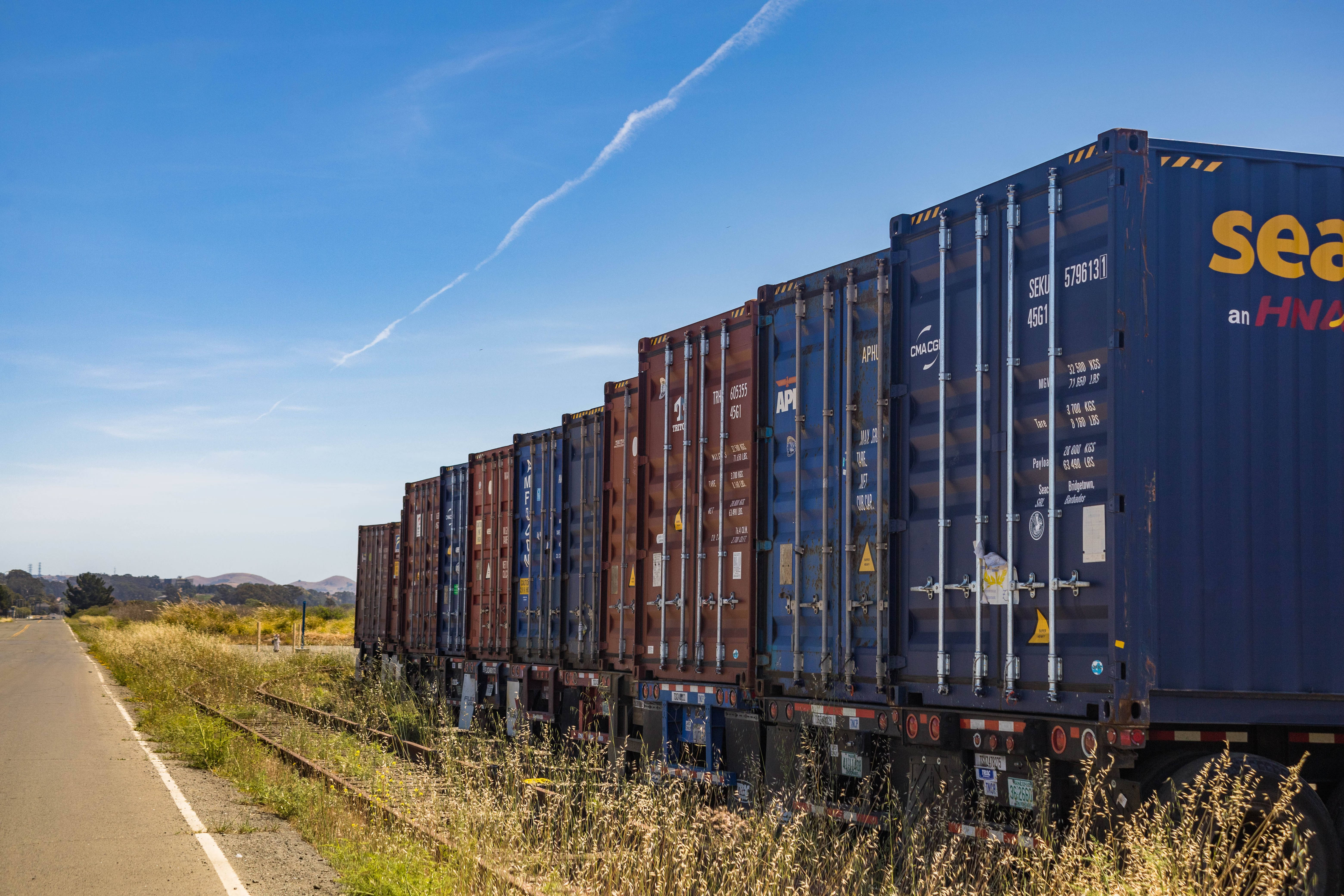
Every importer who brings containers into Ontario eventually runs into the same question: should the box travel inland by rail, by truck for the whole trip, or by a mix of both? The answer shapes your transit time, your handling risk and the final invoice, so it deserves more than a quick glance at the cheapest quote on the table.
This guide walks through how rail and road fit together, which freight suits each model, and the questions worth asking before you commit. It is written for logistics managers and business owners who want a practical way to compare options instead of a sales pitch.
What Intermodal Freight Actually Means
Intermodal freight moves a loaded container through more than one mode of transport without unpacking the goods between legs. A typical import journey starts on a vessel, continues on a train from the port or rail ramp, and ends with a truck delivering to a warehouse or yard. The container stays sealed the whole way, which reduces handling and lowers the chance of damage or loss.
For many Canadian shippers, the truck leg is where service quality is won or lost. Rail covers long distances efficiently, but it cannot reach your dock door. Someone has to collect the container at the terminal, respect the pickup window and get it to your site on time. Businesses that need dependable intermodal container transportation services usually judge a provider by how well that final move is managed.
Where Rail Plus Truck Makes Sense
Rail tends to work best when freight is heavy, steady and not extremely time sensitive. Long lanes between the coast and the interior reward the lower cost per container that rail can offer, and shipments can be planned around fixed departures. Importers with predictable monthly volumes often find the combination easy to budget.
Rail plus truck is worth a closer look when:
- the container travels a long distance inland
- you can plan pickups several days in advance
- cost per container matters more than the fastest possible delivery
- your goods are durable and well packed for a longer journey
When Trucking Alone Is the Better Fit
Rail schedules are fixed, and a missed connection can add days. If your customers expect delivery by a firm date, or your production line cannot tolerate a late container, a direct truck move from the port may give you more control. Shorter lanes also tend to favour trucking, because the savings from rail shrink as distance falls while terminal handling stays the same.
Perishable, high-value and urgent shipments usually belong in this group as well. The point is not that one mode is better. The point is that each shipment has its own priorities, and the right choice changes with the product, the lane and the deadline.
The Drayage Handoff Is Where Delays Start
Drayage is the short truck move between a port or rail terminal and a nearby warehouse, yard or customer. It sounds simple, yet it is the step most likely to create cost surprises. Terminals set time limits on how long a container can sit before storage or detention charges begin, and a late pickup can quickly erase the savings you expected from rail.
To keep this step under control, confirm early who is responsible for booking the pickup appointment, how the carrier tracks the container's availability, and what happens if the terminal is congested. A carrier that watches these details daily protects you from fees that rarely appear in the original quote.
Questions to Ask Before You Book
A short list of questions will tell you more than a long brochure. Ask each provider:
- Who handles the container at each stage, and who is your single point of contact?
- How are pickup appointments scheduled and how are delays communicated?
- Which charges are included in the quote, and which could be added later?
- What equipment is available if your container needs a chassis or a specific trailer?
- How does the carrier handle a container that arrives earlier or later than planned?
Clear, specific answers are a good sign. Vague promises about "flexibility" usually mean the details have not been thought through.
Compliance and Safety Basics
Whatever route you choose, the carrier moving your container should operate within federal and provincial rules. Transport Canada publishes information on transportation safety and regulation, and the Ontario Ministry of Transportation covers requirements for commercial vehicles operating in the province. It is reasonable to ask a carrier how it meets these requirements and to expect a direct answer.
If you want market context for your planning, Statistics Canada publishes data on transportation and warehousing that can help you understand broader freight conditions.
Building a Simple Comparison
When you collect quotes, put them side by side using the same categories: total cost to your door, expected transit window, number of handoffs, and the carrier's process for exceptions. A quote that looks cheaper on the base rate can become the most expensive once storage, waiting time and rebooking are added. Keep a note of how quickly each provider responds to your questions, because response time during quoting often predicts response time during a problem.
Frequently Asked Questions
Is intermodal always cheaper than trucking?
Not always. It tends to save money on longer lanes with predictable timing, while shorter or urgent moves often favour a direct truck.
Does the container get opened between rail and truck?
No. The goods stay sealed in the same container, which is one of the main benefits of the model.
What causes most extra charges?
Late pickups, waiting time and storage at the terminal are common causes, which is why appointment planning matters.
Choosing a Partner for the Final Leg
Rail gives you reach, but the truck gives you reliability at the point where your goods actually arrive. If your freight moves through Ontario ports and terminals, look for a carrier that treats the pickup, the handoff and the delivery as one connected job. S&R Trucking, based in Kleinburg, offers container transportation from S&R Trucking for businesses that want a clear plan for the last stretch of the journey. Share your lane, volume and timing, and compare the answer against the checklist above before you decide.