The engagement ring is the most significant piece of jewelry most people will ever buy. It's worn every day, for a lifetime, and it's visible in every photograph, every handshake, and every quiet moment someone glances at their hand. Getting it right matters — and "right" almost always means something specific to the person who'll wear it.
Custom lab-grown diamond engagement rings have emerged as the clearest path to that specificity, combining the flexibility of bespoke design with pricing that allows buyers to invest in quality without compromise. Here's a practical guide to navigating the process.
Start With the Diamond, Not the Setting
A common mistake in custom ring design is starting with the setting and then finding a diamond to fit it. The better approach is the reverse: select the diamond first, then design the setting around it.
This matters because the diamond will likely be the most expensive component of the ring, and its shape, size, and proportions should inform everything about the setting — the prong configuration, the band width, the metal choice, and the overall visual balance of the piece.
When evaluating lab-grown diamonds for a custom engagement ring, consider these in order:
Cut quality first. No other factor has as much impact on how beautiful the diamond looks. For round brilliants, look for "Excellent" or "Ideal" cut grades from a recognized laboratory. For fancy shapes (oval, pear, cushion, radiant, etc.), evaluate the stone visually — the GIA doesn't issue formal cut grades for fancy shapes, so you're assessing light performance and symmetry yourself, ideally through high-resolution video.
Carat weight second. Decide on a size range before evaluating individual stones. This helps narrow the field significantly. Keep in mind that different shapes face up differently — an oval diamond looks larger than a round brilliant of the same carat weight because the oval's elongated shape distributes mass across a larger surface area.
Color and clarity last. For most buyers, G–H color and SI1–VS2 clarity hit the optimal value point. These grades are visually indistinguishable from D–E color or IF clarity to the naked eye, and the savings can go toward cut quality or carat weight instead.
Choosing a Shape That Fits the Person
Diamond shape is a deeply personal choice, and it's worth having a candid conversation (or some subtle reconnaissance) about what shapes the person finds beautiful before committing. Some general guidance:
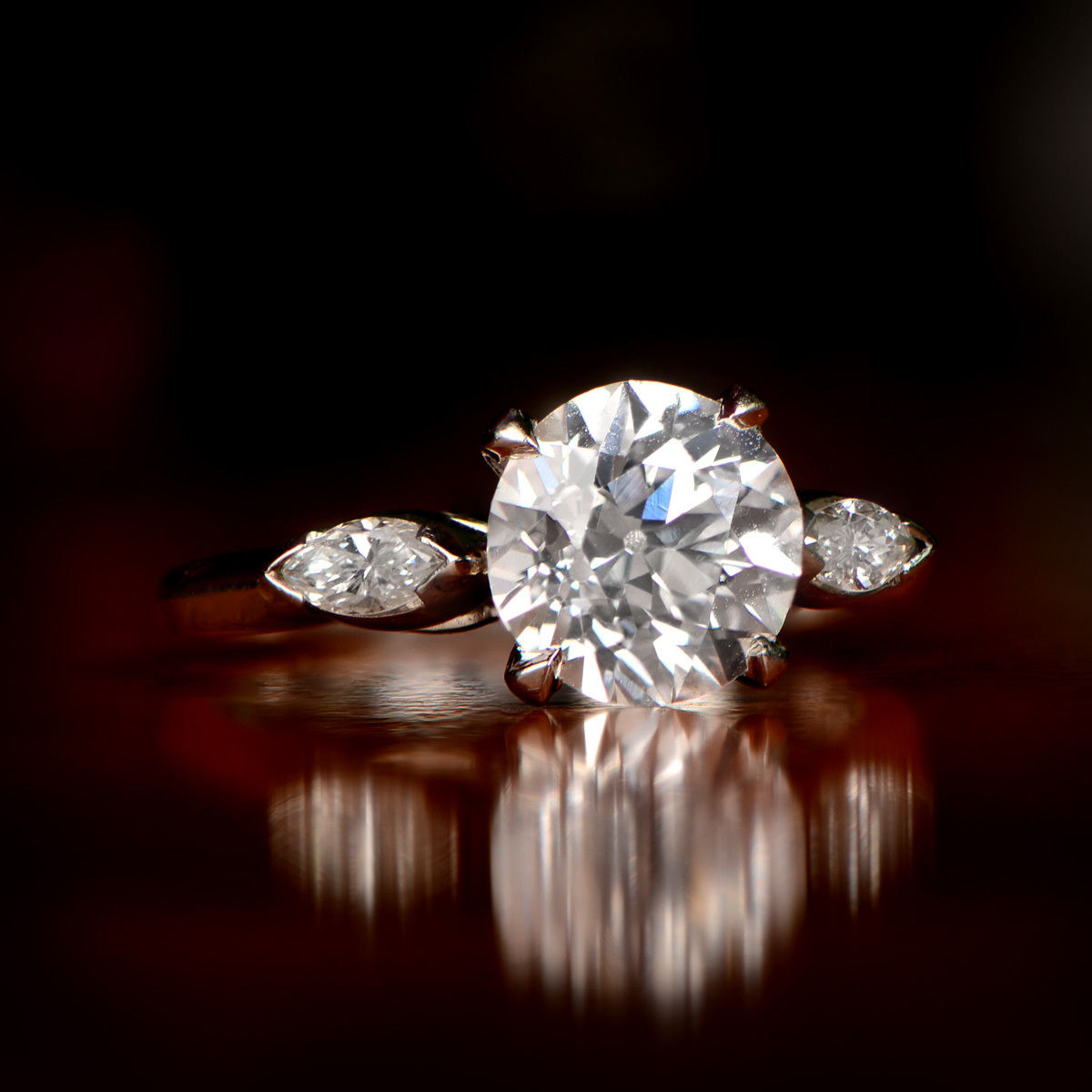
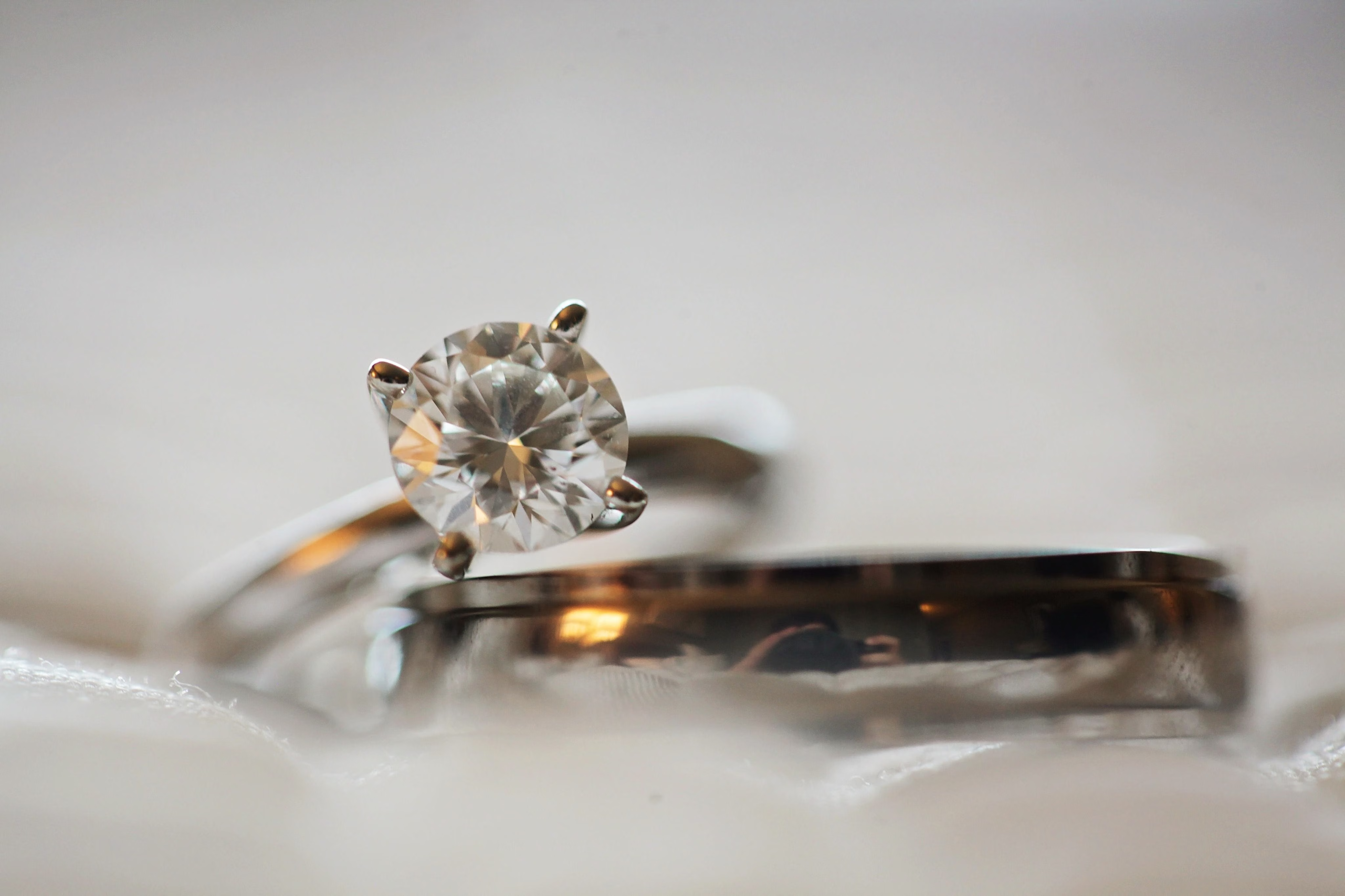
Round brilliant suits almost everyone and is the safest default if you're unsure. It maximizes light performance and pairs with virtually any setting style.
Oval is currently one of the most requested shapes. It elongates the finger, faces up large for its carat weight, and photographs beautifully. The main consideration is a bowtie effect — a dark shadow in the center of some ovals that reduces their visual appeal. Evaluating ovals via video is essential to avoid stones with pronounced bowties.
Cushion has a romantic, vintage quality and suits those with an aesthetic that leans softer and more traditional. Cushion cuts vary significantly in their faceting structure — some are closer to rounds in terms of sparkle pattern, while others have a "crushed ice" or "chunky" faceting that creates a distinctive look.
Pear, marquise, and radiant all suit specific aesthetics and are excellent choices when the person who'll wear the ring has expressed a preference for them specifically. These shapes can look extraordinary but carry stronger aesthetic points of view than rounds or ovals.
The Custom Design Process: What to Expect
Working with a jeweler on a custom design typically involves several stages:
Consultation: You describe the aesthetic you're looking for — references, inspirations, specific elements you want included or avoided. A good jeweler will listen more than talk during this stage and ask questions that help clarify your vision.
CAD rendering: Most jewelers now use Computer-Aided Design software to create a three-dimensional model of the proposed ring. You'll see the design from multiple angles and have the opportunity to request revisions before anything is physically made.
Wax casting or metal printing: Once the design is approved, a physical model is created — either through traditional wax casting or direct metal printing — and you'll often be shown this model before the final metal casting and setting process begins.
Stone setting and finishing: The diamond is set into the finished mounting, the metal is polished, and the ring is inspected before delivery. Quality jewelers specializing in custom lab-grown diamond engagement rings hand-set each stone individually, which produces superior alignment and security compared to machine setting.
Questions to Ask Any Custom Ring Jeweler
Before committing to a custom ring from any jeweler, ask the following:
Does the diamond come with an independent grading report from GIA or IGI? A reputable jeweler will always say yes. The report confirms the diamond's specifications and its lab-grown origin.
What metal alloys do you use? Platinum, 18k gold, and 14k gold each have different properties in terms of durability, color maintenance, and feel. Understand what you're getting before the ring is cast.
What's the turnaround time? Custom rings typically take three to eight weeks from approved design to delivery. If timeline matters — for a planned proposal date — clarify this upfront.
What's your policy on resizing? Most engagement rings will need resizing at some point. Find out what's covered and whether the setting style allows for it.
Why Lab-Grown Makes Custom More Accessible
Historically, custom engagement ring design was associated with premium pricing — which made sense, since the labor costs of bespoke work were layered on top of already-expensive mined diamond prices. Lab-grown CVD diamonds change this equation significantly.
The same budget that would buy a 1-carat mined diamond in a basic solitaire setting might buy a 1.75-carat lab-grown diamond in a fully custom setting with the metal of your choice. That's not a marginal difference — it's a fundamental expansion of what's available to buyers who want something exceptional.
When evaluating jewelers, look for those who offer full transparency about their lab-grown diamond sourcing and grading standards, who hand-set their stones rather than using machine setting, and who can demonstrate their custom design process clearly. Those details separate jewelers whose custom work is genuinely extraordinary from those for whom "custom" just means adding an engraving.
The Lasting Significance of Getting It Right
An engagement ring is not a consumer product in the conventional sense. It doesn't depreciate into irrelevance or get replaced when a newer model comes out. It's a piece of daily wearable art that carries the weight of a commitment — and it will be examined, admired, and photographed thousands of times over its lifetime.
Taking the time to get the custom design process right, and choosing a lab-grown diamond that allows you to invest in genuine quality, is worth every hour it takes. The result will be worn for decades, and those who see it will never know whether the diamond came from a mine or a laboratory — only that it's beautiful.