
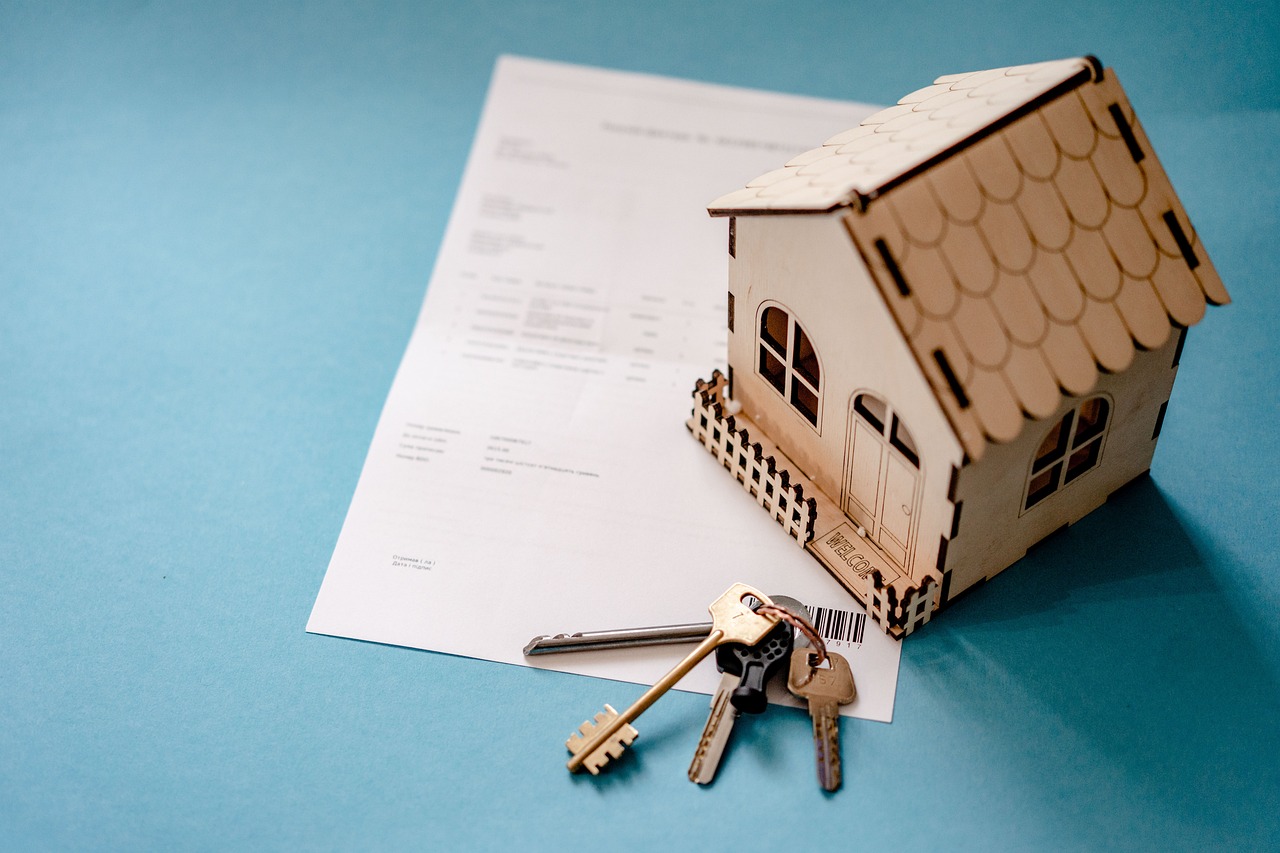
Buying your first home in Los Angeles is not like buying a home anywhere else. The prices are higher, the competition is more intense, and the programs available to help you — if you know about them — are more numerous than most buyers realize. This guide cuts through the noise and tells you what lenders actually look at, what you'll need to prepare, and where first-time buyers in LA consistently go wrong.
Why Los Angeles Makes Home Buying Complicated
LA's housing market sits at the intersection of high demand, constrained supply, and some of the highest median prices in the country. As of late 2025, the median home price in Los Angeles County hovered above $800,000 — well above the national average. That gap creates specific challenges for first-time buyers:
- Conforming loan limits don't always cover what homes cost here, pushing buyers toward jumbo products with stricter qualification standards
- Down payment requirements on competitive offers often exceed the program minimums
- Multiple-offer situations can make it hard to use slower financing programs, even when you qualify
- Property taxes, earthquake insurance, and HOA fees in certain areas add hundreds per month to your actual payment
None of this is meant to discourage you. Thousands of people close on their first home in Los Angeles every year. But going in with a realistic picture of the market — rather than assumptions built on lower-cost areas — saves a lot of wasted effort and disappointment.
What Lenders Look At (and What Actually Matters)
Lenders assess four core factors when evaluating a mortgage application. Most buyers are familiar with credit score and income, but the full picture is more nuanced.
Credit Score
For conventional loans, lenders typically want a minimum 620 score, though you'll get better rates above 740. FHA loans allow scores as low as 580 with 3.5% down — or 500 with 10% down, though fewer lenders work in that range. Your score affects not just approval but the interest rate you're offered, which over a 30-year loan translates to tens of thousands of dollars.
Debt-to-Income Ratio (DTI)
This is often where buyers get surprised. Lenders look at your total monthly debt payments — student loans, car payments, credit cards, and your proposed mortgage payment — as a percentage of your gross monthly income. Conventional loans typically cap around 43–45% DTI. FHA loans can go higher with compensating factors, but pushing DTI limits usually means higher rates or stricter conditions.
Employment and Income History
Lenders generally want two years of stable employment history. Self-employed buyers face additional scrutiny — lenders use your average taxable income from the last two years, not what you actually deposited. If your 2023 taxes showed lower income than 2024, your qualifying income is the two-year average, not your current earnings.
Assets and Reserves
Beyond the down payment, lenders want to see reserves — cash or liquid assets remaining after closing. On a conventional loan, having 2–3 months of payments in reserves strengthens your application. Jumbo loans often require 6–12 months.
Down Payment Reality in Los Angeles
The 20% down payment you've heard about is not a requirement. It's a threshold at which you avoid private mortgage insurance (PMI). But in Los Angeles, 20% of an $850,000 home is $170,000 — a number that puts homeownership out of reach for most first-time buyers if treated as a hard rule.
Realistic down payment options:
- FHA loan: 3.5% down with a 580+ credit score — on an $800k home, that's $28,000
- Conventional 97: 3% down for first-time buyers through Fannie Mae or Freddie Mac programs
- CalHFA programs: California Housing Finance Agency offers down payment assistance programs that can cover part of your down payment as a deferred loan or grant
- VA loan: 0% down for eligible veterans and active-duty service members
Down payment assistance programs in California — particularly CalHFA's MyHome Assistance Program and the Dream For All program — have funded out quickly in past cycles. Availability changes. Working with a broker who tracks these programs in real time is often the difference between accessing them and missing the window.
Loan Limits and the LA Price Gap
Conforming loan limits for 2025 in Los Angeles County sit at $1,089,300 for a single-family home — among the highest in the country thanks to the high-cost area designation. This means most buyers can still use conventional or FHA financing without jumping to jumbo loan territory.
But the gap between conforming limits and actual sale prices in desirable neighborhoods is real. If you're looking at Silver Lake, Santa Monica, or parts of the Westside, homes regularly exceed $1.2–1.5 million, requiring either a larger down payment to stay under the conforming limit or a jumbo loan product.
What to Get in Order Before You Apply
The buyers who move fastest in this market are the ones who have their financial house in order before they find a property they want. That means:
- Pull your credit reports — all three bureaus — and dispute any errors. Give yourself 60–90 days before applying to correct mistakes, which can take time to process.
- Stop opening new credit accounts. New inquiries and new accounts affect your score and can complicate the underwriting process mid-application.
- Document your income thoroughly. Gather 2 years of W-2s or tax returns, 2 months of pay stubs, and 2–3 months of bank statements. Self-employed buyers should have their CPA prepared to write a letter confirming business stability.
- Avoid large deposits. Underwriters will ask about any unusual deposit in your bank account. Large, undocumented deposits can delay or derail a closing. Move money you'll use for the down payment into your account well in advance and keep records of where it came from.
- Get pre-approved, not just pre-qualified. Pre-qualification is a quick estimate. Pre-approval involves actual document review and gives you a credible letter to submit with offers.
Working with a Local Mortgage Broker vs. a Big Bank
In a market as specific as Los Angeles, who you work with matters. Big banks offer convenience but typically have fewer loan products and less flexibility on edge cases. A first-time home buyer in Los Angeles working with a local mortgage broker has access to multiple lenders, can shop rates across institutions, and typically gets more hands-on guidance through the process.
Local brokers who specialize in LA also know which programs are currently funded, which lenders move fastest in competitive situations, and what documentation issues are likely to come up for your specific situation — something a call center rep at a national bank simply won't know.
Common Mistakes First-Time Buyers Make
The mistakes that cost people deals in this market tend to cluster around a few patterns:
- Waiting for the "perfect" time. LA prices and interest rates both shift. Waiting for rates to drop while prices rise doesn't always work in your favor.
- Overestimating what they can borrow. What a lender approves and what's comfortable to pay monthly are different numbers. Build in room for property taxes, insurance, and maintenance.
- Not accounting for closing costs. In California, closing costs typically run 2–3% of the loan amount. On a $700k loan, that's $14,000–$21,000 in addition to your down payment.
- Making major financial moves before closing. Buying a car, switching jobs, or running up credit cards between pre-approval and closing can change your qualification status. Lenders re-pull credit before funding.
- Skipping the inspection contingency to compete. In a hot market, buyers sometimes waive inspection contingencies. Understand what you're giving up before you make that call.
Starting the Conversation
The best time to talk to a Los Angeles mortgage broker is before you're ready to buy — ideally 3–6 months out. That window gives you time to address credit issues, understand your realistic price range, and get your documents in order before you're under deadline pressure.
A good broker will tell you exactly where you stand, what programs you qualify for, and what needs to change if your situation isn't quite there yet. That conversation costs nothing and can save you from a lot of expensive surprises.
Los Angeles is a hard market. It rewards preparation, realistic expectations, and working with people who understand the local landscape. Get those three things right, and the path to your first home is clearer than it looks from the outside.
Anna Kara Inc. NMLS #1241473 | DRE #01924739. Equity Smart Home Loans NMLS# 856170 | DRE# 01906808. This content is for informational purposes only and does not constitute a commitment to lend. Loan approval is subject to creditworthiness and program availability.