
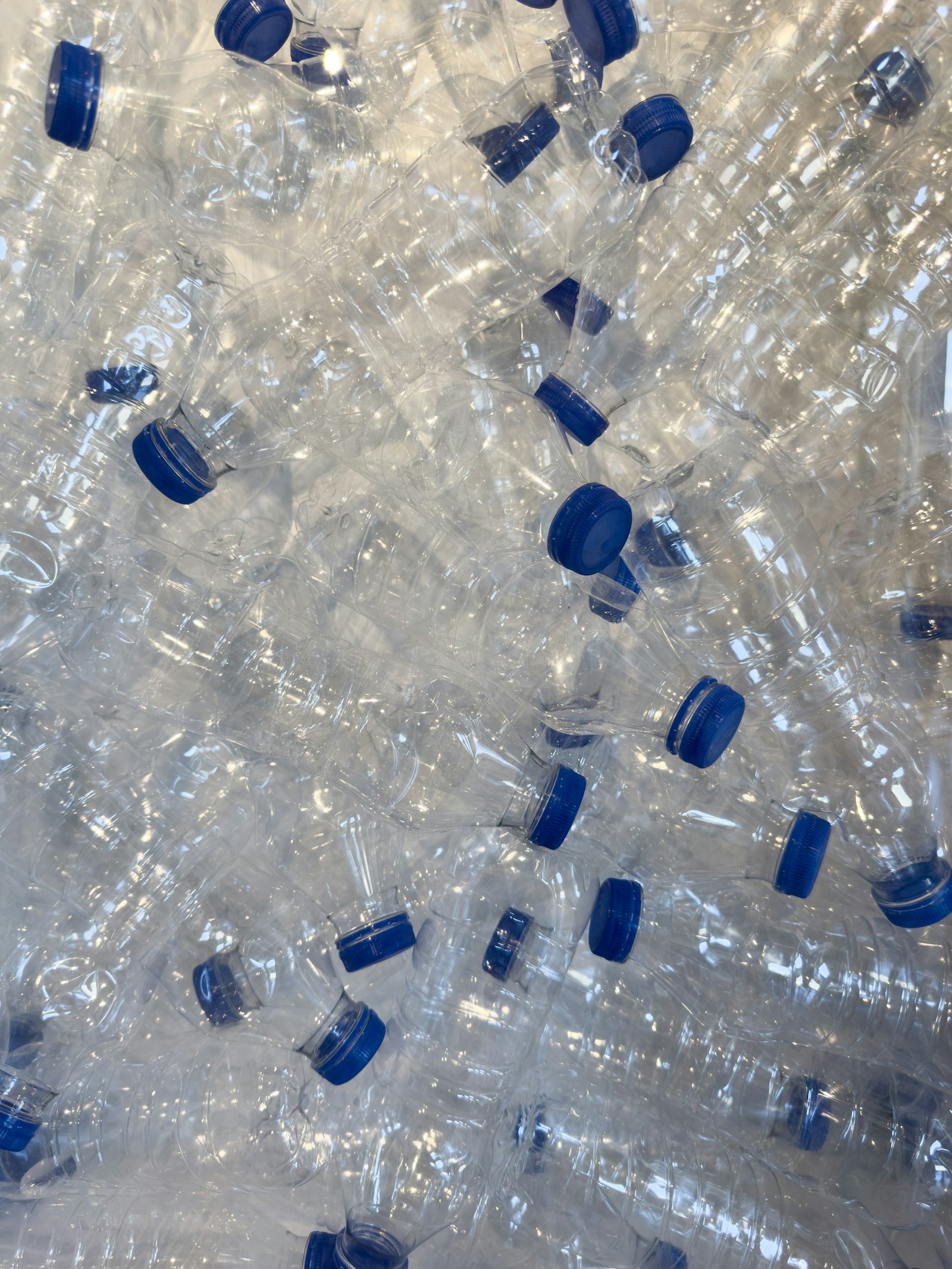
Recycled content is moving from a nice-to-have to a purchasing requirement for beverage brands. Retailers ask about it, sustainability teams track it and regulators in several markets are pushing for it. The question for a packaging manager is practical: what actually changes when a bottle preform contains recycled PET, and how do you switch without risking quality or filling-line performance?
This article covers what rPET preforms are, how recycled content levels differ, and which checks to complete before you commit to a supplier.
What rPET preforms are
A preform is the small, test-tube shaped piece of PET that is blown into a bottle on the filling line. An rPET preform is made from a blend of virgin PET and recycled PET that has been cleaned and reprocessed to a food-contact grade. The neck finish is moulded at the preform stage, so the cap, the blowing process and the filling equipment all depend on getting the preform right.
When you evaluate rPET preform manufacturers in India, treat the preform as an engineered part, not a commodity. Small differences in resin blend, moulding conditions and neck dimensions show up later as bottle weight variation, haze or leaks at the cap.
Understanding recycled content levels
Recycled content is expressed as a percentage of the blend. A 25 percent blend is a common entry point for pilot launches and early sustainability commitments. Around 30 percent suits brands working towards recycled-content goals for water and carbonated soft drink bottles. A 50 percent blend is aimed at brands with aggressive recycled-content targets. Blends up to 100 percent rPET are possible for circular-economy projects, usually on request and with more testing.
A higher percentage is not automatically better. As the share of recycled material rises, colour control, intrinsic viscosity management and process stability need more attention. Start at a level your line can run reliably and increase in steps once results are confirmed.
Neck finish and compatibility
Preforms are made in standard neck finishes such as PCO 1881, 30/25 and Alaska. Your cap, closure and filling line are designed around one of these, so confirm the finish before anything else. Mixing finishes or accepting a near match is a common cause of cap torque issues and leakers. Ask for neck dimension drawings and compare them with your closure supplier's specification.
Food safety and certification checks
Because preforms become food and drink containers, certification matters. Look for recognised food safety and quality management certifications, and ask to see current certificates rather than relying on a logo. Manufacturing systems aligned with BRCGS and FSSC 22000, together with ISO 9001:2015, give a reasonable baseline. Also ask how migration and safety testing is handled for each blend, since a recycled blend should be tested as its own product.
What the production process should look like
Modern injection moulding systems give tighter control over weight, wall distribution and cycle consistency. Ask which equipment is used and how in-process checks are recorded. Request sample preforms from a real production batch, not a hand-picked sample, and run blow-moulding trials on your own machine.
A short pre-switch checklist
- Decide a starting recycled content level and a path to a higher one.
- Confirm neck finish and match it to your closure drawing.
- Collect current food safety and quality certificates.
- Ask for migration and safety test results for the blend.
- Trial production-batch preforms on your own blowing line.
- Measure bottle weight, clarity and top-load performance.
Where the environmental case comes from
Using recycled PET reduces the amount of virgin resin needed per preform. Supplier claims vary, so ask how any carbon reduction figure was calculated and over what basis. Some suppliers quote reductions of up to 60 percent lower CO2 per preform at higher recycled content, but your own sustainability team should confirm the method before the number appears in a report.
If you are comparing options, a supplier of food-grade rPET preforms with 25% to 100% recycled content gives you room to start small and scale up without changing partners.
Planning the transition with your team
Bring procurement, quality, production and sustainability into the same conversation early. Each team sees a different risk. Quality will focus on migration results and appearance, production on blowing and filling stability, and sustainability on documentation for reports. Agree one owner for the trial plan and one date for a go or no-go decision. Keep a short log of every trial, including blend percentage, line settings and defects found, so decisions rest on data and not on memory.
It also helps to agree how the new preforms will be labelled and traced. If a problem appears months later, being able to link a bottle back to a preform batch and a resin blend saves days of investigation.
Final thoughts
Switching to recycled content is a project, not a purchase order. Define the target, confirm the neck finish, verify certification and run trials on your own line. Brands that follow this order tend to avoid the delays that come from discovering problems after the first full production run.