
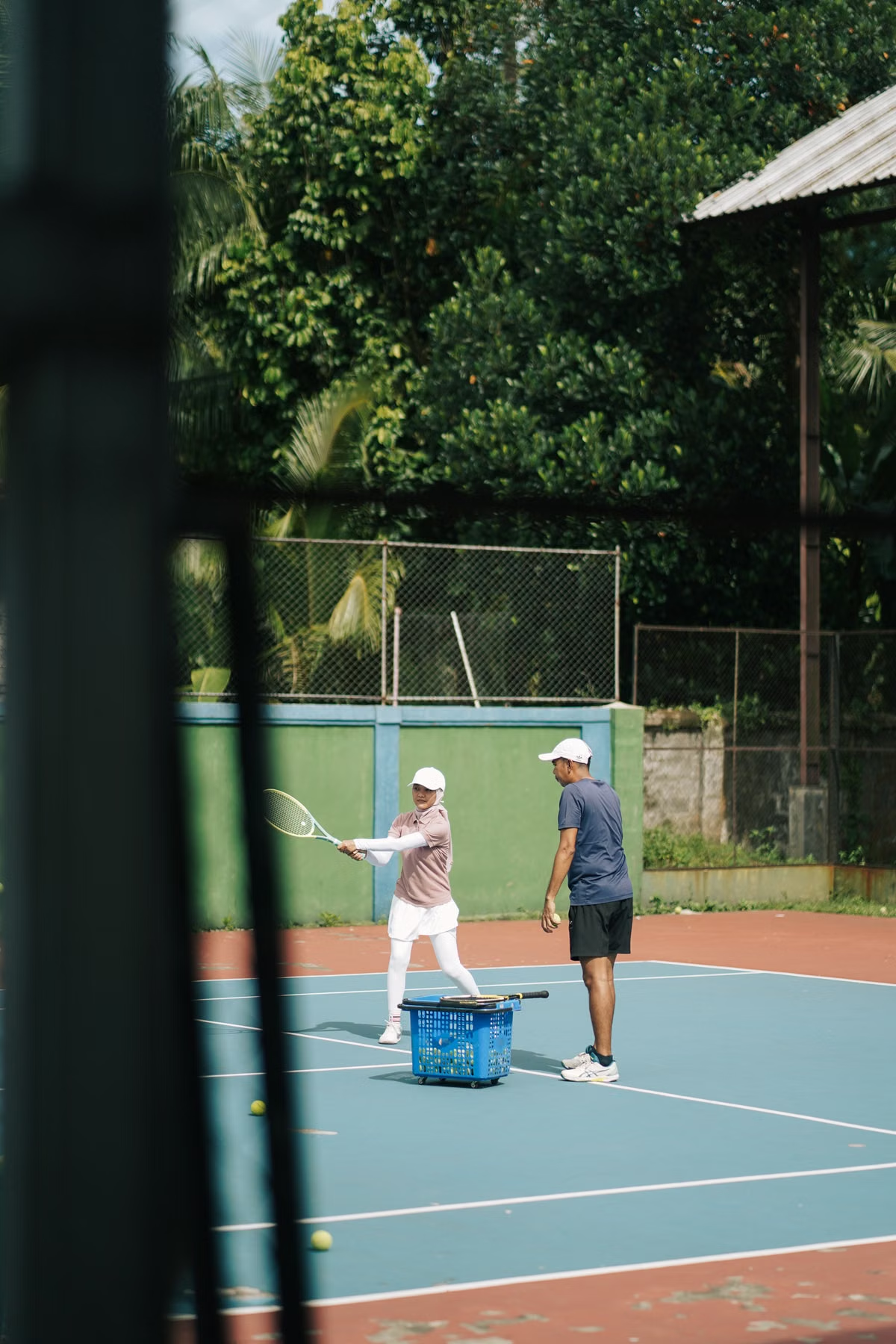
Plenty of adult and teen players hit the same wall. You play every weekend, you rally with friends, and yet your serve still lands in the net and your backhand falls apart under pressure. More court time alone rarely fixes that. Targeted instruction does, and for many players the fastest route is one on one coaching. This guide explains how to choose private tennis lessons in Glendale that fit your level, your schedule and your goals.
Why Private Lessons Change the Pace of Improvement
In a group class, the coach divides attention among several players. That works well for learning basic rhythm and footwork, but it leaves little room for individual correction. In a private session, every minute of feedback is about your swing, your timing and your decisions.
A coach watching only you can spot a late racket preparation, a grip that is too weak for topspin, or a toss that drifts behind your head. Those are small details, yet they decide whether a shot feels easy or forced. Fixing them early also prevents bad habits from setting in, which is much harder to undo later.
Be Honest About Where You Are Starting
The right lesson plan depends on your starting point. Before you book anything, write down three things: how long you have played, which shots you trust, and which shots you avoid in a match.
A beginner needs contact point, balance and a repeatable stroke pattern. A returning player usually needs a refresher on modern technique, since equipment and teaching methods have changed. A competitive player needs match play, tactics and fitness work. Telling the coach this up front saves a lot of time in the first session.
Match the Coach to Your Goal
Not every coach suits every player. Some excel at building fundamentals with new players, while others are stronger at tournament preparation or advanced tactics. Look for experienced tennis coaches who can explain their teaching approach in plain language and who are comfortable working with your age group and level.
Ask how they structure a session. A good private lesson usually includes a short warm up, focused technical work, live ball drills and a closing review of what to practice next. If a coach cannot describe the plan for your first month, keep looking.
What a Strong First Session Looks Like
Your first lesson should feel like an assessment, not a performance. The coach should watch you rally, serve and move, then give you two or three clear priorities rather than a long list of problems. You should leave knowing what to work on and why it matters.
Pay attention to how the coach communicates. Clear cues, short demonstrations and positive but honest feedback are signs of good teaching. Overloading you with technical language in the first twenty minutes is not.
Practical Questions to Ask Before You Book
- How are lessons scheduled, and what is the cancellation policy?
- Are balls, ball machines and court time included?
- Can lessons be adapted if my goals change?
- Is there a way to combine private sessions with group clinics or match play?
- How will progress be tracked over time?
These questions reveal how organized a program is. A well run academy answers them quickly and without pressure.
How Often Should You Train
For most recreational players, one private lesson per week combined with one or two practice sessions is a sensible rhythm. It gives you enough repetition to build muscle memory without overloading your body. Players preparing for a season or a tournament may add a second weekly lesson for a limited period.
Consistency matters more than intensity. Four steady weeks of one lesson a week usually beat a single week of five lessons followed by a long break.
Make Practice Between Lessons Count
The lesson is only part of the picture. Ask your coach for one or two simple drills you can run on your own or with a hitting partner. Examples include serving to targets, hitting crosscourt rallies for consistency, or practicing split steps before every return.
Keep a short note after each session. Write down the single cue that helped most, such as turning your shoulders earlier or finishing high on the forehand. Reviewing that note before your next hit keeps the work connected from one lesson to the next.
Think About Court Access and Location
Convenience affects whether you actually show up. A location that is easy to reach after work or school, with reliable court availability, makes it far more likely that you will stick with the plan. Check parking, lighting for evening sessions and whether indoor or covered options exist for hot or rainy days.
Final Thoughts
Choosing private tennis lessons is a decision about time and focus. Start by being clear about your level and goals, compare coaches on teaching style rather than reputation alone, and judge the first session by how clear your next steps feel. Results vary from player to player, but players who combine focused coaching with steady practice tend to feel the difference in their confidence on court well before they see it on a scoreboard.