
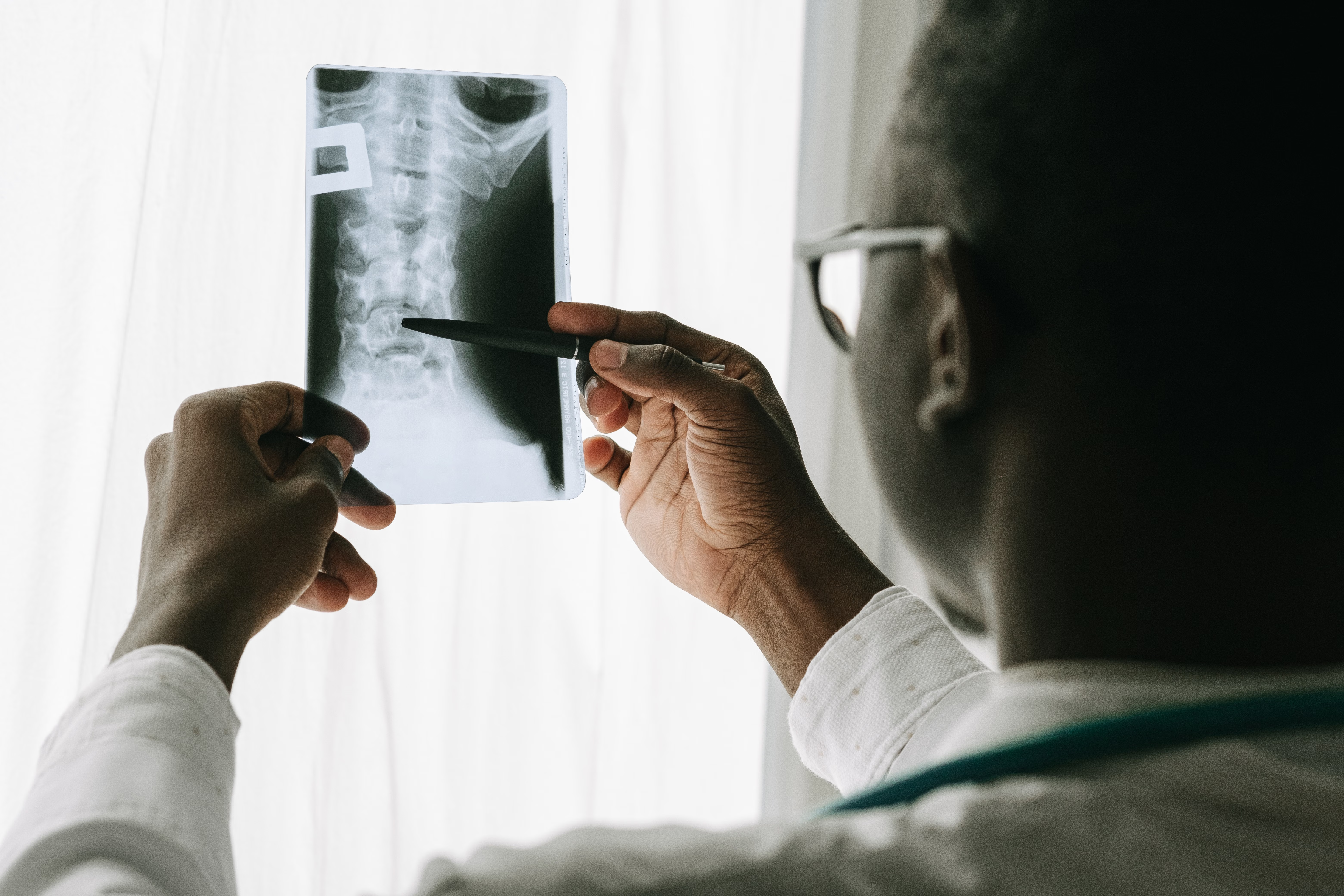
A twisted ankle on a Saturday morning or a wrist that took the full weight of a fall on the sidewalk leaves most people asking the same question: is this a bad sprain, or is something broken? In a city as busy as Los Angeles, the answer matters, because the wrong guess means either a wasted afternoon in an emergency room or a fracture left untreated for days.
This guide explains how to tell the difference between common soft-tissue injuries and likely fractures, what signs mean you should get imaging, and how a walk-in clinic in Los Angeles can handle most of it in a single visit. It is general information, not a diagnosis, and any injury that worries you deserves a professional look.
Sprain, Strain, or Fracture: What Is the Difference?
A sprain is an injury to a ligament, the tough band that connects one bone to another. A strain affects a muscle or the tendon that attaches it to bone. A fracture is a break or crack in the bone itself. All three can cause pain, swelling and bruising, which is exactly why they are so easy to confuse at home.
Some general patterns can help. Sprains tend to swell quickly around a joint such as the ankle, wrist or knee. Strains often show up as pain and tightness in a muscle after lifting, running or a sudden stretch. Fractures can look like either one, but they are more likely to involve sharp pain directly over a bone, trouble putting any weight on the limb, or a visible change in shape. Because the symptoms overlap, imaging is the only reliable way to separate them.
Signs That Suggest You Need an X-Ray
Clinicians often rely on simple screening questions before ordering imaging for ankle and foot injuries. You do not need to memorize them, but the same logic is useful at home. Consider getting checked soon if any of the following apply:
- You cannot take more than a few steps on the injured leg or put weight through the injured arm.
- There is tenderness when someone presses directly on a bone, rather than on the soft tissue beside it.
- The area looks bent, lumpy or different from the other side.
- You heard or felt a snap at the moment of injury.
- Numbness, tingling or a pale, cool hand or foot developed after the injury.
- Swelling and bruising are getting worse after a day or two instead of settling down.
If you are unsure, it is reasonable to err on the side of an exam. Small fractures in the wrist, hand, foot and toes are easy to miss without imaging, and some heal poorly if they are not protected early.
What Happens During an Urgent Care Visit for an Injury
A typical visit starts with a short history: how the injury happened, what you felt, and what you have already tried. A clinician then examines the area, checks movement and strength, and compares it with the uninjured side. If the findings suggest a possible fracture, the next step is imaging.
Having on-site X-ray at an urgent care in Los Angeles means that step can happen during the same visit, without a separate trip to a radiology office or a long wait in a hospital emergency department. The images are reviewed by the care team, and the plan is explained before you leave.
Depending on what the exam and imaging show, treatment may include a splint or brace, guidance on rest and elevation, advice on over-the-counter pain relief, and instructions for follow-up. Complex or displaced fractures may need an orthopedic specialist, in which case the clinic can point you to the right next step.
Urgent Care or Emergency Room? A Practical Way to Decide
Urgent care is built for injuries and illnesses that need prompt attention but are not life-threatening. Many sprains, strains, minor fractures, cuts and bruises fall into that category. The emergency room is the right choice when the situation could threaten life or limb.
Go to the emergency room or call 911 for severe bleeding that will not stop, a bone piercing the skin, a limb that looks seriously deformed, loss of consciousness, a head injury with confusion or repeated vomiting, or chest pain and trouble breathing. For anything less dramatic, an urgent care visit is usually faster and simpler. If you are ever unsure, calling the clinic first is a sensible move, and staff can tell you whether to come in or head to the hospital.
What You Can Do Before You Are Seen
While you arrange a visit, a few basic steps can keep the injury from getting worse:
- Rest the area. Avoid putting weight on it or using it for anything strenuous.
- Apply cold. A cold pack wrapped in a cloth for short periods can help with swelling. Do not place ice directly on skin.
- Compress lightly. A soft elastic wrap can offer support, but it should never feel tight or cause tingling.
- Elevate. Keep the limb raised above heart level when you can.
- Remove rings and tight items. Swelling can make them hard to take off later.
Skip the temptation to test the injury by walking on it or forcing the joint through its range of motion. That can turn a manageable problem into a worse one.
Recovery and Follow-Up
Recovery depends on what was found. Mild sprains often improve over a couple of weeks with protection and gradual return to activity, while fractures usually need longer immobilization and a follow-up visit to check healing. Your clinician will give you specific instructions, including warning signs that mean you should come back sooner, such as worsening pain, new numbness, or swelling that spreads.
Returning to sports or heavy work too quickly is one of the most common reasons injuries linger. Ask directly when it is safe to resume your normal routine and what a gradual progression should look like.
Frequently Asked Questions
Can a fracture be mistaken for a sprain? Yes. The symptoms overlap, and small fractures in the wrist, foot and ankle are often missed without imaging.
Do I need an appointment for an urgent care injury visit? Many walk-in clinics see patients without an appointment, though wait times vary through the day. Calling ahead can help you plan.
Will I get an X-ray at the same visit? If the exam suggests it is needed and the clinic has imaging on site, it is typically done during the same visit.
How long will the visit take? It depends on how busy the clinic is and whether imaging is needed. Plan for more time than a basic check-up.
When should I skip urgent care and go to the ER? Choose the ER for severe bleeding, an exposed bone, major deformity, loss of consciousness or signs of a serious head injury.
Injuries rarely happen at a convenient time, and guessing at home often costs more than a quick exam. Knowing the warning signs, and knowing that nearby walk-in care can evaluate and image most common injuries in one stop, makes the decision much easier when it counts.